
Blog
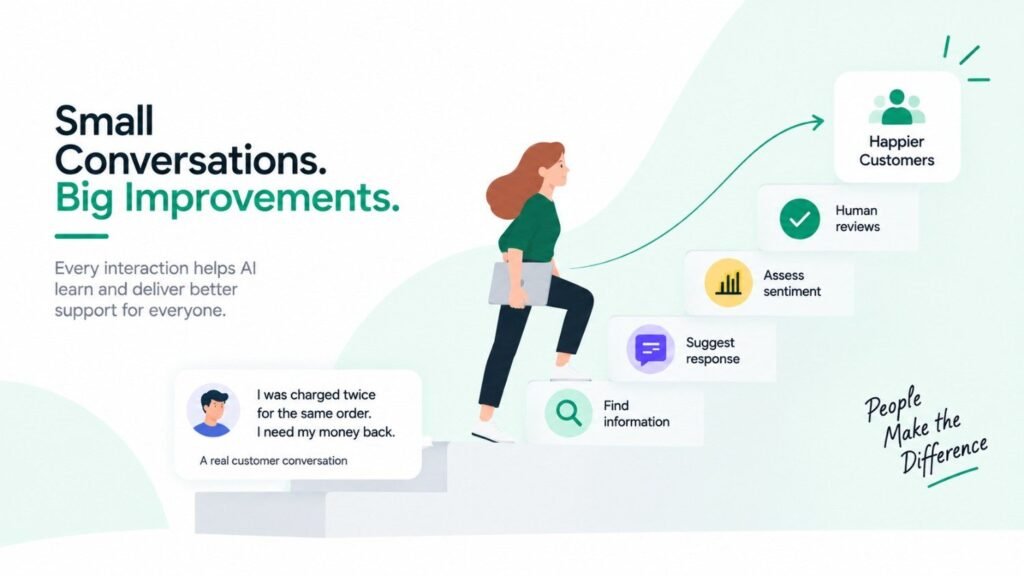
Customer-service teams often want to know when a conversation is becoming frustrating, urgent or likely to escalate. AI can help by estimating sentiment and emotional signals from words, conversation patterns or, in some systems, voice characteristics. For example, repeated complaints, negative wording, unusually short replies, repeated requests for a supervisor or phrases such as “this […]
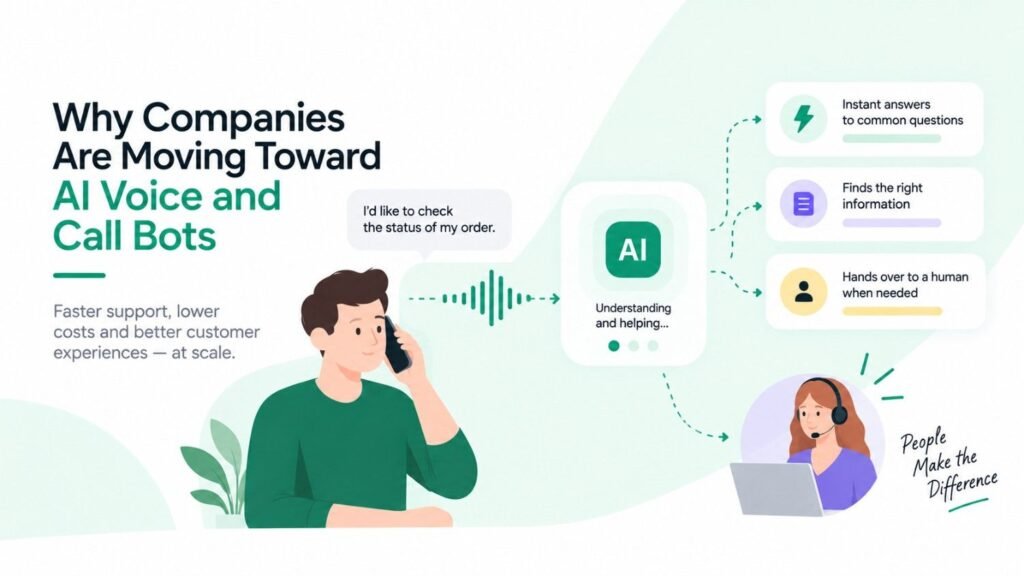
Phone support remains important because many customers prefer speaking when a problem is urgent, complicated or emotional. At the same time, voice support is expensive to scale because every additional conversation traditionally requires additional agent capacity. This is one reason companies are experimenting with AI voice and call bots. Modern voice systems can combine speech […]
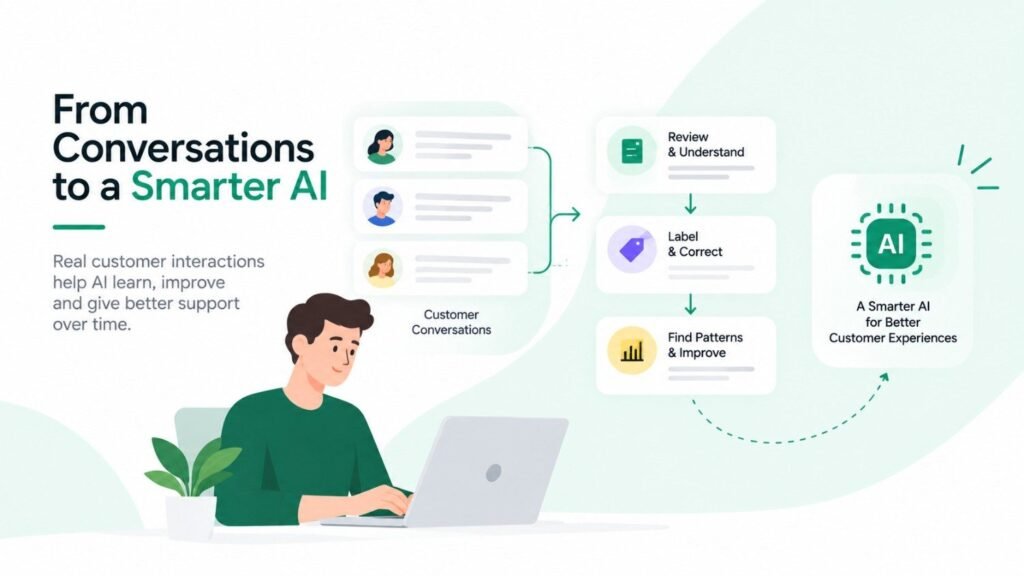
AI systems do not automatically become better simply because customers keep talking to them. Improvement normally requires a deliberate process in which conversations are reviewed, organized, evaluated and converted into useful feedback. A real interaction can contain valuable signals: what the customer wanted, where the AI misunderstood the request, which answer helped, which answer failed, […]

A customer rarely describes a problem using a perfect category name. Someone may write, “I was charged twice and I need this fixed,” rather than selecting a formal label such as duplicate payment or refund request. One of the most useful roles of AI in customer service is converting natural conversation into structured meaning. An […]

Customer experience has always depended on speed, consistency, context and empathy. What is changing is the amount of information a service team must process at once. A single customer may move between email, live chat, phone calls, social media and self-service channels. Human agents can handle these conversations well, but manually reading every history item, […]